

Which Wholesale Platforms Offer the Best Margins by Product Category in 2026

Table of Contents
- Why category selection drives your wholesale margin more than supplier choice
- Wholesale platform picks across 8 high-demand product categories
- How to evaluate wholesale platforms for category-specific profitability
- The margin gap between intermediary marketplaces and factory-direct sourcing
- Quick-reference comparison table
- FAQ
- Building a category-diversified wholesale portfolio
Key takeaways
- Product category sets your margin ceiling. Beauty hits 60 to 80 percent gross. Electronics caps at 15 to 30 percent.
- Intermediary marketplaces charge 30 to 100 percent more per unit than factory-direct sourcing on the same product type.
- Landed cost matters more than unit price. Shipping and duties can erase half the gap between a cheap overseas quote and a domestic listing.
Why category selection drives your wholesale margin more than supplier choice

Most new buyers look for a reliable supplier first. The numbers tell a different story. Your product category sets the outer limit on what you can earn, regardless of how well you negotiate or how efficiently you run your store.
Consider the range. Beauty and skincare products reach 60 to 80 percent gross margins in ecommerce, per Hycos category benchmark data. Health and supplements land between 55 and 70 percent. Fashion and apparel sit at 45 to 65 percent. Home and garden products hold 40 to 55 percent. Pet products match that same 40 to 55 percent band. Consumer electronics, by contrast, operate at just 15 to 30 percent.
The gap has practical consequences. A beauty brand on a mid-tier platform can earn more per dollar than an electronics reseller using the cheapest factory available.
Category also shapes day-to-day operations. Beauty products require regulatory compliance. Electronics need rigorous quality testing. Fashion moves through seasonal cycles that punish slow restocking. Each one carries different costs and risks.
Your platform choice then determines how much of that margin reaches your ledger. Fee structures, vetting depth, and pricing tiers vary across platforms. The same candle might cost $8 on one platform and $4 through direct factory contact. The sections below map categories to the sourcing channels that protect your margins.
Wholesale platform picks across 8 high-demand product categories
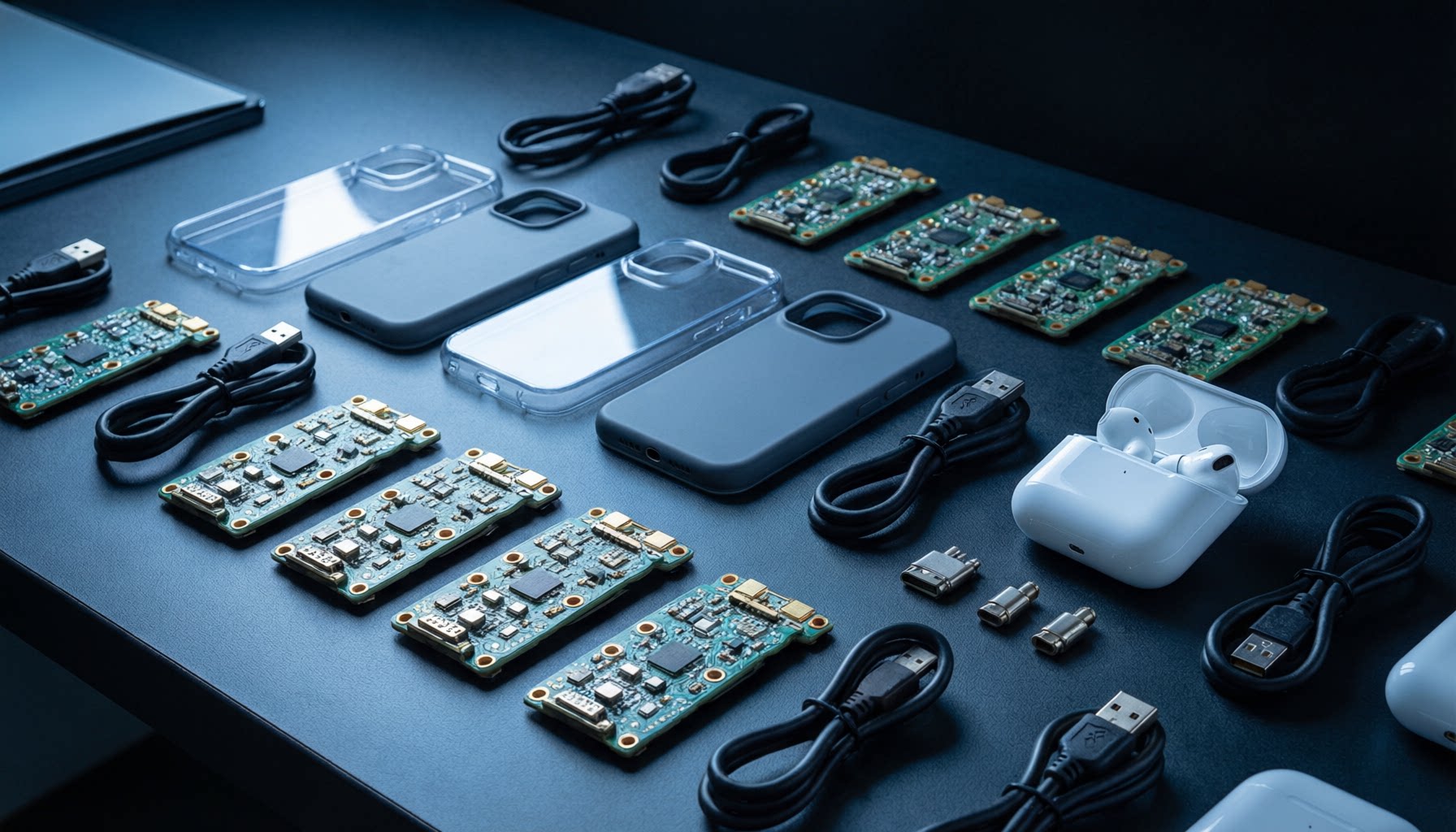
Electronics and accessories. Margins stay thin at 15 to 30 percent (electronics average roughly 27 percent gross, per Shopify's wholesale pricing guide, citing NYU Stern industry data), but volume potential runs high. The main variable is whether you source consumer gadgets, phone accessories, or replacement components. Alibaba.com covers the widest range for new products through Ready to Ship listings and RFQ requests for custom orders. DHgate works for smaller-quantity accessory purchases. Merkandi serves the surplus and liquidation channel where margins improve but quality varies.
Beauty and personal care. This category offers the highest wholesale margins at 60 to 80 percent. The main constraint is supplier compliance with FDA requirements. Alibaba.com RFQ lets you specify exact formulation and packaging needs while filtering for manufacturers with documented compliance. Faire carries vetted indie brands with lower risk but higher per-unit cost. Both channels work, but the margin gap between them is large.
Eco-friendly and sustainable products. Demand for certified sustainable goods has matured past vague green claims. Buyers now expect USDA Organic, GOTS, or FSC documentation. Faire vets its brand listings for sustainability certifications. EcoEnclose focuses specifically on sustainable packaging supplies. Alibaba.com Verified Supplier program includes third-party audit options for environmental credentials.
Home goods and decor. Margins of 40 to 55 percent with lower return rates than fashion make this a steady category. The main cost trap is shipping. Home items tend to be heavy or bulky, which drives up landed cost. Wayfair Professional offers domestic sourcing with faster delivery. Alibaba.com provides lower unit costs from overseas factories, but freight expenses narrow the gap for large items.
Boutique fashion. Unique styles and fast trend cycles define this category. Unsold seasonal inventory becomes dead stock quickly. FashionGo and LA Showroom offer low minimums and quick turnaround from Los Angeles manufacturers. Fashion wholesalers typically target 50 to 60 percent margins, per the Joor markup and margin guide for wholesale fashion brands. Alibaba.com RFQ connects directly with factories for custom designs at significantly lower per-unit costs than domestic showrooms, though lead times run longer.
Pet supplies. Repeat purchase behavior makes pet products attractive. Owners restock food, treats, and accessories on regular cycles. Margins of 40 to 55 percent hold across the category. Alibaba.com offers the broadest selection across subcategories. WholesalePet provides curated domestic sourcing with faster shipping for US-based retailers.
Toys. Seasonal demand spikes make Q4 make-or-break for toy retailers. High-volume sourcing at low unit cost matters most. Alibaba.com handles bulk orders with customizable packaging. Domestic toy wholesalers offer Made in USA appeal for niche markets. Liquidation platforms serve retailers looking for closeout deals on branded toys.
Health and wellness. Margins of 55 to 70 percent reward sellers who navigate the regulatory requirements. Supplement labeling, ingredient compliance, and testing documentation all factor into supplier selection. Alibaba.com RFQ connects buyers with manufacturers who hold required certifications. Faire carries established wellness brands with simpler compliance paths.
Office supplies. Thin margins but reliable reorder cycles define this category. The competitive advantage lies in consistent restocking and bulk pricing. Alibaba.com offers the lowest per-unit costs on large bulk orders. Uline provides fast domestic delivery and dependable inventory for businesses that cannot afford stockouts.
Replacement parts and components. This category splits into two separate markets. Consumer repair parts source through Alibaba.com and DHgate at low cost. Industrial OEM components require precision suppliers like Digi-Key or Mouser, where quality certification justifies higher pricing.
How to evaluate wholesale platforms for category-specific profitability
Five criteria separate a good platform choice from an expensive one. Work through them in order.
Unit cost versus retail markup. Calculate the gap between what you pay per unit and what the market will bear. A $3 wholesale price on a product that retails for $25 gives you far more room than a $50 component that sells for $65. Compare the same product across at least three platforms before committing. The Hycos margin benchmarks provide a solid starting point for expected category ranges.
MOQ flexibility per category. Fashion platforms differ sharply on this point. Some require pre-pack buying where you accept a fixed ratio of sizes and colors. Others offer open-pack selection. For a boutique testing new styles, open-pack capability prevents dead stock from unsold sizes.
Shipping cost impact on landed margin. A $2 per unit savings from an overseas supplier disappears when air freight adds $3 to $5 per item. Calculate total landed cost before comparing platforms. Lightweight items like jewelry and phone cases absorb shipping costs more easily than home decor or pet supplies.
Supplier verification depth. Beauty and health products demand FDA compliance documentation. Electronics carry counterfeit risk rather than safety risk. Pet food requires ingredient testing records. Each category has its own verification priority. Platforms that invest in supplier vetting reduce your risk but may charge higher fees.
Return and restock policy. First orders often reveal product quality gaps or specification mismatches. Platforms with lenient return terms like Faire Net 60 reduce the financial damage of a bad first purchase. Check whether the platform offers restock guarantees for repeat orders.
The margin gap between intermediary marketplaces and factory-direct sourcing
The same product carries very different price tags depending on where you find it. A handmade candle listed on Faire at $12 wholesale might cost $8 directly from the manufacturer on Alibaba.com. A private-label skincare set quoted at $15 through a domestic distributor could cost $6 from the original factory.
The gap exists because intermediary platforms add their own margin on top of the manufacturer price. They offer vetting and domestic convenience in exchange for higher per-unit costs. For categories with high margins like beauty, the absolute savings from factory-direct sourcing often justify the extra effort of vetting overseas suppliers.
For categories with thin margins like electronics, the calculation shifts. The dollar savings per unit are smaller, and the quality control risk of sourcing directly from overseas factories increases. An intermediary platform with domestic warehousing and return policies may protect your margins better than a factory-direct relationship that leaves you holding defective inventory.
The right answer depends on your category, order volume, and tolerance for supply chain complexity. High-volume buyers in high-margin categories benefit most from factory-direct relationships. Low-volume buyers or those new to importing may find intermediary platforms reduce risk enough to justify the higher per-unit cost.
Quick-reference comparison table
| Wholesale Platform Comparison by Category, Margin, and Buyer Protection | |||||
|---|---|---|---|---|---|
| Platform | Best Categories | MOQ Range | Typical Margin | Buyer Protection | Sourcing Model |
| Alibaba.com | All 10 categories | 1 to 500 units | 15 to 80% by category | Trade Assurance | Factory-direct |
| Faire | Beauty, eco-friendly, home, wellness | Set by brand | 30 to 50% after markup | Net 60 returns | Intermediary marketplace |
| DHgate | Electronics, accessories, parts | 1 to 100 units | 20 to 40% | Buyer protection escrow | Intermediary marketplace |
| FashionGo | Boutique fashion, accessories | 3 to 6 pieces per style | 40 to 60% | Limited returns | Domestic showroom |
| Wayfair Professional | Home goods, decor | 1 unit | 25 to 40% | 30-day returns | Domestic retailer |
| WholesalePet | Pet supplies | Case packs | 35 to 50% | Standard wholesale terms | Domestic distributor |
| Merkandi | Electronics, toys (surplus) | Pallet quantities | 30 to 60% | Limited | Liquidation trading |
| Uline | Office supplies, packaging | 1 unit | 20 to 35% | Full returns | Domestic distributor |
| Digi-Key | Replacement components | 1 unit | 15 to 30% | Full returns | Authorized distributor |
| EcoEnclose | Eco-friendly packaging | Case quantities | 25 to 40% | Standard terms | Specialty distributor |
Margin data: Shopify wholesale pricing guide (NYU Stern, January 2026); Joor markup vs. margin guide (TrueProfit, 2026).
FAQ
Which wholesale platform gives the lowest price on bulk electronics?
Alibaba.com and DHgate typically offer the lowest per-unit prices on consumer electronics and accessories. Margins in electronics run 15 to 30 percent, so volume drives total profit. For surplus or liquidation electronics with higher margins but mixed condition, Merkandi serves that channel.
Where can I find eco-friendly wholesale products with verified certifications?
Faire vets its brand listings for sustainability certifications including USDA Organic and GOTS. EcoEnclose specializes in sustainable packaging. Alibaba.com Verified Supplier listings include third-party audit reports that confirm environmental claims before you place an order.
What platforms offer low-MOQ clothing for boutique stores?
FashionGo and LA Showroom both offer low minimums starting at 3 to 6 pieces per style, designed specifically for boutique buyers. Alibaba.com RFQ connects directly with factories for custom designs at lower per-unit costs, though minimums and lead times vary by manufacturer.
How do wholesale margins compare across home goods, beauty, and electronics?
Beauty products deliver the highest margins at 60 to 80 percent. Health and wellness products follow at 55 to 70 percent. Home goods hold 40 to 55 percent. Electronics operate at 15 to 30 percent. The margin difference reflects both production cost structure and retail pricing power in each category.
Which wholesale platform is best for pet supplies in bulk?
Alibaba.com offers the broadest selection across pet food, treats, toys, and accessories with factory-direct pricing. WholesalePet provides curated domestic sourcing with faster shipping for US-based retailers. The better choice depends on your order volume and how quickly you need inventory.
Building a category-diversified wholesale portfolio
No single platform serves every category well. The most profitable operations match each product line to the platform with the best unit cost, vetting depth, and shipping economics for that category.
Beauty and health products reward factory-direct relationships that capture the full 60 to 80 percent margin range. Fashion benefits from domestic showroom sourcing for fast restocking of trending styles. Commodity categories like office supplies work best through bulk ordering from domestic distributors.
Retailers who build lasting businesses treat platform selection as a category-by-category decision rather than a one-time choice. Start with the margin benchmarks, calculate your landed cost, and match each product line to the sourcing channel that protects your margins.
Start your borderless business here
Tell us about your business and stay connected.


Related Reading

Keep up with the latest from Alibaba.com?
Subscribe to us, get free e-commerce tips, inspiration, and resources delivered directly to your inbox.


