

Stocking a Boutique Under $5,000: High-Margin Suppliers and Flexible Payment Terms

Table of Contents
Key takeaways
- Spending a boutique's first $5,000 works best as an open-to-buy allocation: core styles, high-margin accessories, and a reserve for fast reorders.
- Judge every purchase on landed cost per unit, not the sticker price. Freight and card fees quietly pull margin down.
- Costume jewelry and small accessories carry the highest gross margin, so they effectively subsidize lower-margin apparel.
- Tiered pricing and milestone or Net-30 terms keep your capital moving instead of sitting in slow stock.
Your First $5,000 Is an Open-to-Buy Plan
Your opening budget is a merchandise buying plan. It is not a shopping spree. If you source low-budget wholesale for boutiques, decide what each dollar must do before any capital leaves your hands. A $5,000 ceiling goes fast once inbound freight, processing fees, and pre-packed size runs are paid up front.
Retailers call this disciplined budget an open-to-buy allocation. The Shopify open-to-buy guide defines it as the total value of inventory a store can buy in a fixed period. That figure still has to leave room for the store's sales and stocking targets. The math is simple. Open-to-buy equals planned sales, plus planned markdowns, plus planned ending inventory, minus planned beginning inventory. Turn that retail number into cost with your initial markup, and you get a figure you can actually shop against.
One workable split for a first purchase: roughly 60% to proven core styles, 25% to high-margin accessories and jewelry, and 15% held back for rapid reorders. Treat it as a starting frame, not a guarantee. That reserve matters because merchandise has to move. Shopify says its small and midsize retail customers averaged 5.3 inventory turns. Capital stuck in dead sizes is capital you cannot reorder with.
At this budget you win or stall on two things: how wide versus deep you buy, and your payment terms. Brand recognition and trend relevance come later.
The Quiet Cash-Flow Cost of Cheap Stocking
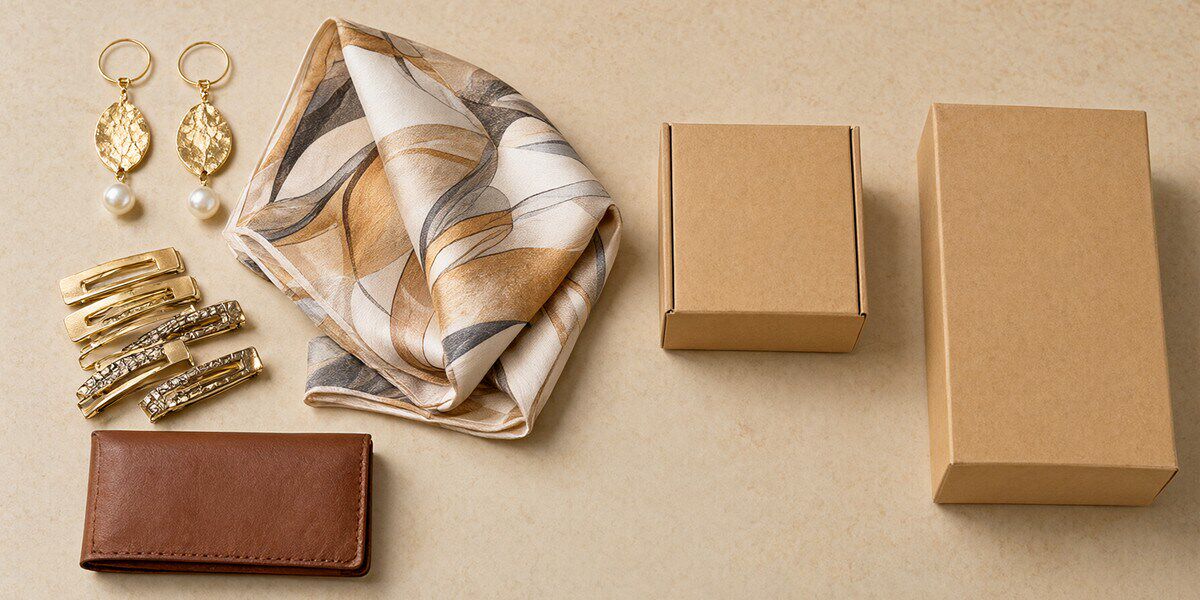
The lowest per-unit price can still be the most expensive purchase a cash-thin boutique makes. A small sticker figure hides three costs that quietly eat a $5,000 budget.
Start with inbound freight and fuel surcharges. They rarely appear next to the unit price. Then there are card and processing fees on every sale, often near 2.9% plus $0.30. Those two alone tend to add a high single-digit to low-teens percentage on top of the wholesale cost. The result is your real landed cost per unit. That is the number your retail price should be built on.
The third cost, size-curve attrition, is the easiest to miss. Boutique apparel often ships in pre-packs of roughly six pieces per style: say two small, two medium, two large. Ten styles become sixty units. They can absorb a third of your whole budget before one item sells. The leftover XS and XL stock does not move, and it certainly does not restock itself.
So the goal is never the cheapest price. You want a low landed cost, a fast turn, and terms that let capital move before the next order.
Per-Unit Cost and Margin for Your First Rack
Next, set firm ceilings per unit. For accessories and small apparel, aim for a landed cost under $10. For costume and fashion jewelry, aim under $5 per piece. Those ceilings are usually realistic only when you buy direct from source-factory manufacturers. No domestic intermediary adds a markup on top of the base cost.
Margin is where the product mix earns its keep. Keystone pricing, a 2.0x markup, gives a 50% gross margin, and that is the floor, not the average. Specialty apparel usually runs 50% to 60% gross. Accessories commonly reach 55% to 70%. Jewelry often hits 60% to 75%. That steady gap explains why a few trays of plated necklaces can subsidize a rack of lower-margin dresses.
Costume jewelry is the classic margin engine on a tight budget. A plated piece that lands near $3 and retails at $18 to $28 is a super-keystone markup. That markup survives a small opening order far better than discounted apparel ever could.
The table below lays out a first-rack plan built on those ceilings. Cost and retail figures are planning targets for you to adjust. The margin bands follow published clothing-retail benchmarks.
| First-Rack Cost and Margin Plan | |||
|---|---|---|---|
| Item type | Target wholesale cost per unit | Suggested retail | Indicative gross margin |
| Costume and fashion jewelry | Under $5 | $18 to $28 | 60% to 75% |
| Hair accessories and small goods | $1 to $4 | $8 to $15 | 65% to 75% |
| Fashion handbags and crossbody | $8 to $12 | $32 to $48 | 70% to 75% |
| Core apparel in pre-pack | $15 to $25 | 2.0x keystone | 50% to 55% |
| Blended rack target | Mix weighted to accessories | Set per tier | About 58% to 62% |
Cost and retail figures are planning targets. Margin bands follow published clothing-retail benchmarks.
A rack weighted toward accessories and jewelry can clear roughly 58% to 62% blended gross, even with keystone apparel still in the mix. That cushion is what a $5,000 opening needs to absorb the quiet weeks.
Tiered Pricing and Wholesale Discounts: Margin Without Buying Deep
Tiered pricing, also called quantity-break pricing, lowers the unit price as order volume grows. A manufacturer might quote one price at 50 pieces, less at 100, and less again at 500. The Alibaba tiered pricing overview treats this as a standard model for factory-direct listings.
For a low-budget wholesale buyer, that price ladder is a margin tool first and a discount second. Buy broadly at the entry tier to see which styles sell. Then reorder only the winners at the next tier. You grow blended margin on the second order without staking too much capital on the first.
Before you commit, check four mechanics. Ask whether the stated minimum applies per SKU or per style. Ask whether mixed-carton or assortment breaks exist. Can you order a sample first? And does the tiered price apply to landed cost, or only to FOB, which is quoted before freight?
Marketplace coupons, free-shipping thresholds, and introductory discounts also exist. Judge them against the tiered unit-cost curve over a whole season, not one promo day. A small discount today is worth far less than a lower tier you can keep on every future reorder.
Flexible Payment Terms: Milestone Payments and Net-30
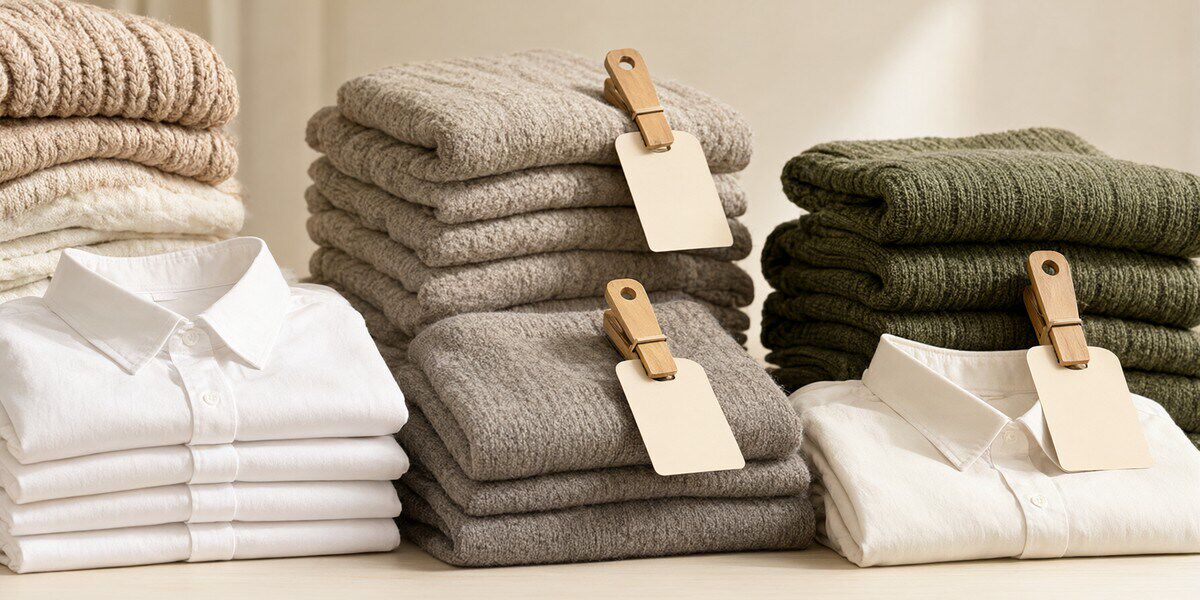
Payment terms decide whether a $5,000 boutique turns stock into money for the next order. Good terms let you receive goods, merchandise them, and sell some of them before the invoice is due.
Net-30 and trade credit mean you buy now and pay roughly 30 days later. A brand-new store can qualify, but it needs prep. Get a business identity first: an EIN and a D-U-N-S number. Then open roughly three net-30 vendor accounts that report to Dun and Bradstreet, and pay them early. The Ramp PAYDEX guide explains that the score runs from 1 to 100, and that 80 or higher counts as low risk. Most suppliers want a score of 80 or better before they extend easier terms. A free D-U-N-S request can take up to 30 business days.
For made-to-order goods, milestone payments spread the cash out over time. The Alibaba seller guide to milestone-based payment describes custom apparel split into stages: often a deposit up front, then the balance before shipment. You are not prepaying the whole order on day one.
Terms also carry obligations. Late payments drag your PAYDEX score down. Some instant net-terms credit lines on marketplaces run as a soft inquiry, with a modest limit on a new account. Read the agreement before you lean on any credit line.
The Bottom Line for Your First $5K Rack
The repeatable playbook for stocking a boutique under $5,000 runs like this. Set your open-to-buy allocation and keep a reorder reserve. Cap landed cost per unit, under $10 on accessories and under $5 on jewelry, with a margin-heavy mix. Plan tiered reorders to lift blended margin. Then use milestone or Net-30 terms so your capital keeps moving.
The strategy that wins is cash-flow discipline and per-unit margin math, not simply the cheapest sticker price.
Match each supplier to the right tier. Source-factory manufacturers fit the jewelry and accessory tier, where direct production cost makes the under-$5 target realistic. Open-pack, low-minimum vendors fit the apparel test tier, where breadth matters more than depth. If you are planning low-budget wholesale for boutiques, a platform like Alibaba.com brings all three of those things into one sourcing workflow: factory-direct cost, tiered pricing, and milestone payment terms.
Having them in one place is what makes a platform like that worth the look on a tight opening budget.
FAQ
How should I split a boutique inventory budget under $5,000?
Treat the budget as an open-to-buy plan, not one shopping trip. A workable split is roughly 60% on proven core styles, 25% on high-margin accessories and jewelry, and 15% held for rapid reorders of winning items. Run the numbers with the open-to-buy formula. Then convert to cost using your markup, so you never sink capital into sizes that crawl.
What is a realistic wholesale cost per unit on a tight budget?
Aim for a landed cost under $10 per unit on accessories and small apparel, and under $5 per piece on costume jewelry. Those ceilings are usually achievable only by buying direct from source-factory manufacturers. Always work from landed cost, meaning wholesale price plus freight and processing, not the sticker unit price.
What are the highest-margin items to stock on a small budget?
Costume jewelry and small accessories are still the classic margin engine. Specialty apparel usually runs 50% to 60% gross. Accessories reach 55% to 70%, and jewelry hits 60% to 75%. A plated necklace that lands near $3 and sells at $18 to $28 subsidizes lower-margin apparel. It lifts the whole rack toward a 58% to 62% blended gross.
How do tiered wholesale pricing programs help a small boutique?
Tiered pricing, or quantity-break pricing, lowers your unit price at higher order bands. Buy broadly at the entry tier to test sell-through, then reorder only the winning styles at a better tier. Done that way, tiering is a margin-planning tool. It lifts blended margin on reorders without making you buy too deep up front.
Can a brand-new boutique qualify for Net-30 or flexible payment terms?
Yes, though it takes prep. Set up an EIN and a D-U-N-S number. Then open roughly three Net-30 vendor accounts that report to Dun and Bradstreet, and pay them early to build a PAYDEX score. Suppliers usually want that score at 80 or higher. For made-to-order goods, milestone structures, a deposit followed by a balance, spread the cash out so you are not prepaying the full amount.
Start your borderless business here
Tell us about your business and stay connected.


Related Reading

Keep up with the latest from Alibaba.com?
Subscribe to us, get free e-commerce tips, inspiration, and resources delivered directly to your inbox.


