

Most Profitable Wholesale Product Categories for Retailers: Margins, Certifications and Top Sources (2026)

Table of Contents
- The margin gap between generic and certified wholesale goods
- How to evaluate markup potential before buying wholesale
- Top high-margin wholesale categories ranked
- Compliance requirements by category: FDA, CE, CPSC and RoHS
- Where to find certified suppliers for each category
- The bottom line for building a high-margin product catalog
- FAQ
Main takeaways
- Jewelry leads wholesale markup at 300% to 1,000%, with beauty and skincare following at 150% to 400%.
- Paper margins shrink fast once you add compliance testing, tariffs, returns and platform commissions into the calculation.
- FDA MoCRA, CPSC CPSIA, FCC and CE certifications are mandatory for many categories and non-negotiable for legal US retail in 2026.
- The best sourcing strategy starts on low-MOQ marketplaces, then moves to factory-direct terms once you verify compliance and demand.
The margin gap between generic and certified wholesale goods
Certified wholesale products consistently outperform uncertified ones on realized profit. Consider beauty items with FDA MoCRA compliance. Wholesale cost runs $3 to $7 per unit, and retail prices reach $18 to $38. That translates to 60% to 80% gross margin at the register.
Non-certified "white label" alternatives cost 30% to 50% less upfront. But those savings vanish fast when recalls, fines or lawsuits enter the picture. The actual net profit often drops below certified alternatives.
This gap illustrates the difference between paper margin and realized margin. A product showing 75% gross margin on paper faces real-world deductions. Add tariffs, returns at 4% to 8%, compliance testing at 3% to 5%, platform commissions near 15%, and inventory carrying costs at 5% to 8%. Realized net profit lands between 37% and 47%.
Certified goods justify their higher price for several reasons. Customs clearance moves smoothly with proper documentation, product liability insurance requires valid compliance records, and consumers trust certified products enough to come back and buy more.
How to evaluate markup potential before buying wholesale
Two metrics dominate wholesale pricing decisions, and mixing them up leads to bad purchase orders. Markup percentage divides the profit by the wholesale cost. Gross margin divides the same profit by the retail price instead. A keystone markup of 100% equals a 50% gross margin.
But neither metric tells the full story. GMROI, or Gross Margin Return on Inventory Investment, adds inventory turnover speed to the equation. A demi-fine jewelry piece at 80% margin turning 1.5 times per year generates $1,200 gross profit per $1,000 invested. Pet treats at 48% margin turning 8 times per year produce $3,840 from the same investment.
Several factors need evaluation before any wholesale purchase. Calculate landed cost including freight, duties and brokerage fees, then check category-specific return rates. Electronics see 12% to 18% returns while pet treats stay below 1%. Factor in compliance testing costs at $500 to $3,000 per lot, estimate inventory turnover speed, and account for platform commissions. Faire charges 15% to 25%, which pushes brands to raise wholesale prices by 15% to 20%.
| Quick-Reference Markup by Category | |||||
|---|---|---|---|---|---|
| Category | Wholesale Cost | Retail Price | Markup | Gross Margin | Turns/Yr |
| Jewelry | $1.50 to $8 | $18 to $48 | 300% to 1,000% | 75% to 90% | 2 to 4x |
| Beauty | $3 to $7 | $18 to $38 | 150% to 400% | 60% to 80% | 5 to 8x |
| Home Goods | $4 to $15 | $22 to $65 | 150% to 300% | 60% to 75% | 3 to 4x |
| Pet Supplies | $2.50 to $9 | $9 to $34 | 100% to 250% | 50% to 70% | 6 to 10x |
| Electronics Acc. | $0.80 to $12 | $15 to $60 | 200% to 500% | 65% to 85% | 4 to 6x |
| Toys | $8 to $18 | $20 to $45 | 100% to 150% | 50% to 60% | 2 to 4x |
Top high-margin wholesale categories ranked
Ranking wholesale products by category shows which ones earn the most. The table below summarizes six categories by wholesale cost, retail price, markup, gross margin and annual inventory turns. Each category demands different compliance investments and carries distinct sourcing risks.
Jewelry and Accessories
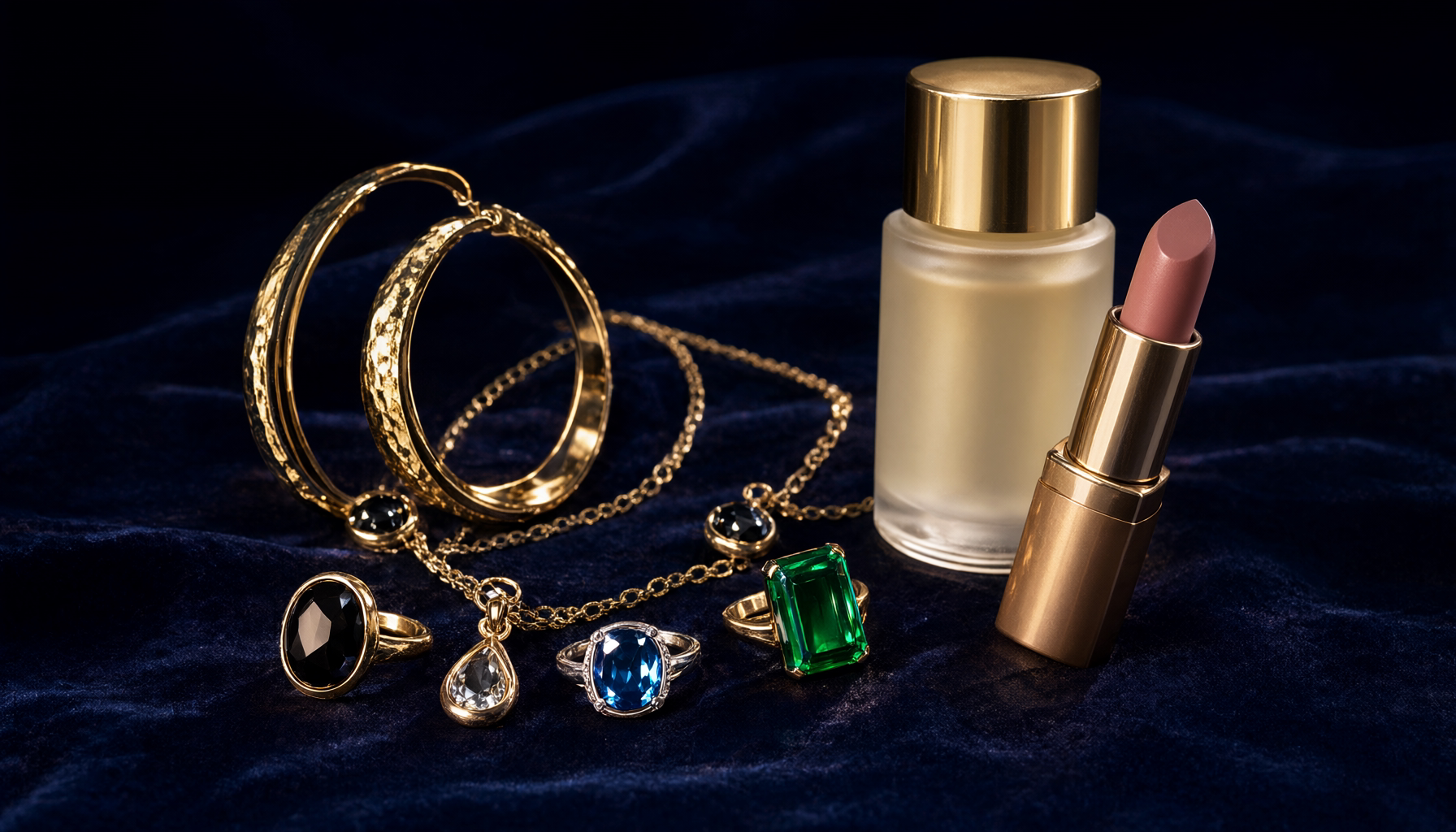
Fashion jewelry at $1.50 to $8 wholesale sells for $18 to $48. Demi-fine pieces at $12 to $35 wholesale reach $65 to $140 at retail. The category delivers the highest markup in wholesale sourcing. Lightweight items cost very little to ship. Physical store return rates stay below 3%. PVD stainless steel and 18k vermeil offer the best profit balance. Children's jewelry requires ASTM F2923 testing, so verify that before ordering.
Beauty and Personal Care
Wholesale costs of $3 to $7 turn into $18 to $38 retail prices. Private label manufacturing through ODM partners like Kolmar or Cosmax delivers the highest margins. Blanka offers North American private label options. FDA MoCRA compliance is now mandatory. Requirements include facility registration, product listing, safety substantiation and adverse event reporting. Watch period-after-opening dates carefully, as they typically run 18 to 24 months.
Home Goods and Decor
Soy and coconut wax candles at $4 to $8 wholesale sell for $22 to $38. Ceramics at $6 to $15 reach $28 to $65 at retail. Margins stay stable across seasons. Fragile items require a 3% to 5% breakage budget. Direct sourcing from Vietnam or India cuts costs by 40% to 60% compared to domestic distributors. Candles need ASTM F2417 fire safety testing. Kitchenware must meet FDA food contact standards under 21 CFR 174 to 186.
Pet Supplies
Hardgoods run $3 to $9 wholesale, selling for $15 to $34. Functional treats and consumables at $2.50 to $4.50 wholesale reach $9 to $15 retail. Consumables drive repeat purchases and customer lifetime value. Avoid bulk pet food, which carries only 15% to 25% margin. Choose single-ingredient, human-grade treats for 50%+ margins. Pet consumables deliver the highest GMROI of any category thanks to 6 to 10 inventory turns per year.
Electronics Accessories
Phone cases at $0.80 to $2.50 wholesale sell for $15 to $25. GaN chargers at $5 to $12 reach $35 to $60 retail. But high markup comes with real risk. Device lifecycle dependency means products become obsolete fast. Return rates run 12% to 18%, well above most categories. GaN chargers and MagSafe accessories currently offer the best returns. Stay alert to compatibility windows to avoid dead stock.
Toys and Educational Products
Wholesale costs of $8 to $18 turn into $20 to $45 retail prices. Wooden open-ended toys and STEM kits attract premium pricing from parents. But 40% to 55% of annual sales concentrate in Q4. That creates real inventory risk. Compliance costs for CPC and ASTM F963 testing compress net margins. All children's toys need a Children's Product Certificate from a CPSC-accepted lab. Lead content must stay below 100 ppm in substrate material.
Compliance requirements by category: FDA, CE, CPSC and RoHS
Compliance requirements vary sharply across categories. Toys and children's products face the strictest oversight. Beauty and electronics follow closely. Pet consumables and home goods carry moderate requirements, while adult fashion jewelry sits at the lowest risk level.

Beauty and Personal Care
According to the FDA, MoCRA requirements now cover facility registration, product listing and safety substantiation for all cosmetics sold in the US. Adverse events require reporting within 15 working days. Packaging must include a US-based contact person. For EU distribution, you need a designated Responsible Person, a Product Information File, and CPNP notification before sale.
Toys and Children's Products
A Children's Product Certificate from a CPSC-accepted third-party lab is mandatory. ASTM F963-23 covers mechanical hazards, sharp edges and small parts. According to the CPSC, lead content must stay below 100 ppm in substrate and below 90 ppm in coatings. Eight phthalates face limits of 0.1% maximum. Permanent tracking labels are required on every unit. For EU sales, CE marking under EN 71 is mandatory.
Electronics
FCC Part 15B applies to non-intentional radiators through a Supplier's Declaration of Conformity. Bluetooth and Wi-Fi devices need an FCC ID under Part 15C. RoHS 3 restricts 10 substances across all electronics sold in the EU. Lithium batteries require UN 38.3 transport testing plus UL 1642 or UL 2054 cell-level certification.
Home Goods
FDA 21 CFR 174 to 186 governs food contact materials. ASTM F2417 and F2058 cover candle fire safety. Prop 65 requires lead and cadmium leaching tests for products sold in California. Ceramic dinnerware faces the strictest scrutiny on heavy metal migration.
Pet Products
FDA FSMA compliance is required for all pet food and treats. AAFCO Guaranteed Analysis must appear on packaging. Imported animal-source treats need USDA APHIS permits. Ingredient sourcing documentation must be traceable to the original supplier.
Jewelry
Adult fashion jewelry follows ASTM F2999 as a voluntary standard. FTC Jewelry Guides govern terminology like "gold-filled" and "vermeil." Children's jewelry falls under mandatory ASTM F2923 with required third-party testing. Prop 65 and REACH compliance add further requirements for certain markets.
Retailers acting as importer of record bear full product liability. Carry $2 million to $5 million in product liability insurance. This protects against claims from defective or non-compliant goods.
Where to find certified suppliers for each category
Supplier sourcing breaks into three tiers. Curated B2B marketplaces at Tier 1 offer low MOQs for rapid product testing. Specialized distributors at Tier 2 keep stable stock with complete compliance documentation. Factory-direct channels at Tier 3 offer the highest margins but require larger commitments.
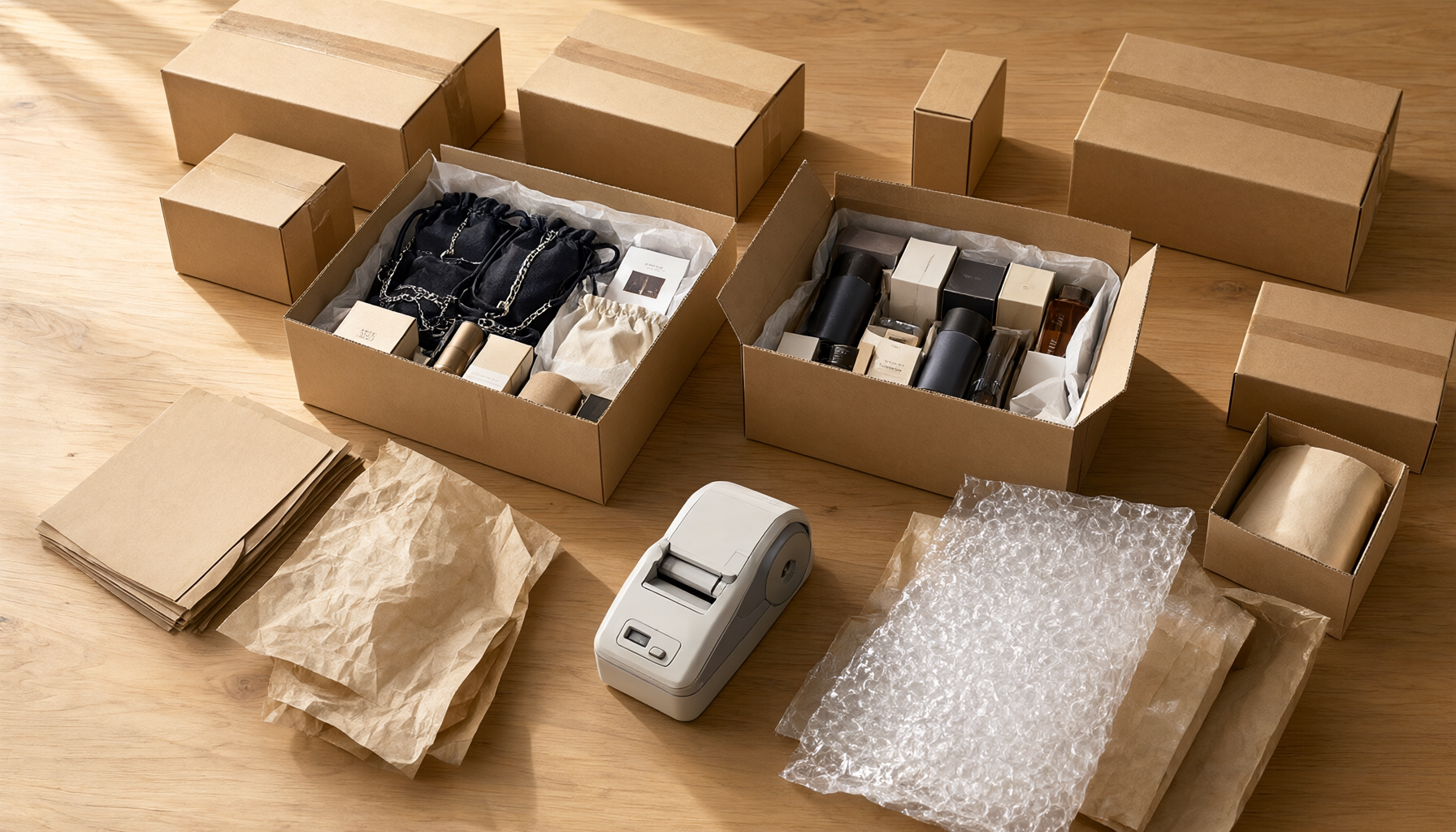
Tier 1 platforms include Faire for all categories, FashionGo for jewelry and apparel, RangeMe for CPG discovery, and Global Sources for electronics. Tier 2 distributors include Rio Grande and Stuller for jewelry, Blanka for beauty, Phillips Pet and Southeast Pet for pet supplies, Petra Industries for electronics, and Astra for toys. Tier 3 factory-direct options include Alibaba.com Verified Suppliers across all categories, Yiwu for fashion jewelry, Panyu and Guangzhou for fine jewelry, Shenzhen Bao'an for electronics accessories, Yunhe for wooden toys, and Incheon and Seoul for K-Beauty ODM.
| Certified Supplier Sources by Category | ||||
|---|---|---|---|---|
| Category | Curated Marketplace | Specialized Distributor | Factory-Direct Hub | Key Certification to Verify |
| Jewelry | Faire, FashionGo, LA Showroom | Rio Grande, Stuller | Yiwu, Panyu/Guangzhou | ASTM F2999 (adult), F2923 (kids), FTC Jewelry Guides |
| Beauty | Faire Beauty, RangeMe, Creoate | Blanka, Radix Laboratories | Incheon/Seoul (K-Beauty ODM) | FDA MoCRA registration, EU CPNP |
| Pet | Faire, Pet Palette | Southeast Pet, Phillips Pet | Weifang/Shandong (treats) | FDA FSMA, AAFCO, USDA APHIS |
| Home Goods | Maison and Objet, Shoppe Object | OneCoast, Ivystone | Moradabad/India, Chaozhou/China | FDA Food Contact, ASTM F2417, Prop 65 |
| Electronics | Global Sources, Alibaba Verified | Petra Industries, D&H | Shenzhen/Bao'an | FCC ID, RoHS 3, UL 62368-1, UN 38.3 |
| Toys | Faire Kids, Abound | Astra, Kelderman Wholesale | Yunhe/Zhejiang | CPC (CPSC-accepted lab), ASTM F963-23 |
Follow five steps to verify any wholesale supplier. Request third-party lab reports from SGS, Intertek or TUV. Search the CPSC or FCC ID databases to confirm certificate numbers. Ask for a Certificate of Insurance with at least $2 million in coverage. Order samples for a physical compliance review. Start small on a curated platform, then negotiate direct terms once you confirm quality and demand.
For luxury or high-end items, always request a brand authorization letter and certificate of authenticity. For sustainable sourcing, look for GOTS certification on textiles and FSC certification on paper and wood products. Faire also labels sustainable products directly on its platform.
The bottom line for building a high-margin product catalog
Building a profitable catalog happens in three phases. Start by testing products and finding what sells. Allocate 10% to 15% of your open-to-buy budget for new product trials. Use low-MOQ platforms like Faire or Shoppe Object to explore categories. Prioritize consumable products with near-zero return rates.
Phase two: Verify compliance. Every product entering your warehouse needs third-party compliance documentation. Secure product liability insurance before scaling any category.
Phase three: Direct-source to scale. Convert your top 20% of SKUs, the ones generating 80% of revenue, to factory-direct purchasing. This move cuts landed costs by 40% to 60%. The savings compound as volume grows.
Two market shifts matter in 2026. Section 321 de minimis tariff exemptions face increased scrutiny. If the $800 duty-free threshold gets suspended or reduced, per-unit landed costs could rise by $1.50 to $3.00 on international shipments. Plan for this scenario in your pricing models now.
Marketplace commissions also create hidden cost pass-through. Faire charges 15% to 25% per transaction. Brands respond by raising wholesale prices 15% to 20% to cover that fee. Once you validate a product on these platforms, negotiate direct terms to capture that margin.
Build your catalog around a mix of high-margin categories like jewelry and beauty alongside high-turnover categories like pet consumables. Focus on GMROI, not just gross margin percentage, so your capital works as hard as your inventory.
FAQ
What wholesale product category has the highest profit margin for retailers?
Jewelry leads with 300% to 1,000% markup and 75% to 90% gross margin. Beauty and skincare follow at 150% to 400% markup. However, pet consumables often deliver higher GMROI thanks to faster inventory turns at 6 to 10 times per year versus 2 to 4 times for jewelry.
Do I need FDA certification to wholesale beauty products in the US?
Yes, under FDA MoCRA, all cosmetics sold in the US require facility registration, product listing, safety substantiation and adverse event reporting. Retailers importing directly from foreign manufacturers become the importer of record and bear full legal liability for compliance.
What certifications are required for wholesale toys sold in the US?
All toys for children under 12 require a Children's Product Certificate from a CPSC-accepted third-party lab. Testing must cover ASTM F963-23 for mechanical safety. Lead content must stay below 100 ppm. Phthalate limits are set at 0.1% maximum. Permanent tracking labels are mandatory on every unit.
How can retailers verify that a wholesale supplier's certifications are genuine?
Search the CPSC database for children's products, the FCC ID database for electronics, and the FDA Cosmetics Direct portal for beauty items. Request original test reports from accredited labs like SGS, Intertek or TUV. Ask for a Certificate of Insurance naming your business as additional insured.
What is the best wholesale marketplace for small retailers starting out?
Faire is the top choice for US-based small retailers. It offers low MOQs starting at $100, Net-60 payment terms for qualified buyers, and free returns on opening orders. For electronics, Global Sources connects buyers with verified OEMs. For beauty, RangeMe introduces retailers to emerging CPG brands.
Start your borderless business here
Tell us about your business and stay connected.


Related Reading

Keep up with the latest from Alibaba.com?
Subscribe to us, get free e-commerce tips, inspiration, and resources delivered directly to your inbox.


