

How to Avoid Scams & Counterfeits on Alibaba: A Buyer Checklist for High-Risk Categories

Table of Contents
- Key Takeaways
- Which Categories Are High-Risk vs. Low-Risk and Why
- Pre-Order Compliance Checklist for Regulated and Branded Goods
- Why Platform-Native Risk Control Beats Off-Platform Alternatives
- How Third-Party Inspection Services Complement Platform Tools
- Cross-Language Communication to Prevent Misunderstanding-Type Fraud
- US Buyer Anti-Counterfeit Handbook by Order Tier
- The Bottom Line for Your Compliance Checklist
- Frequently Asked Questions
Global trade in counterfeit goods reached $467 billion according to the OECD's May 2025 report, with a significant share flowing through major B2B platforms. For US-based buyers sourcing from Alibaba.com, the risk is not just about losing money on a bad order. Receiving counterfeit electronics can trigger product liability lawsuits. Importing unregistered supplements can result in FDA seizure at the border. Ordering toys with lead paint can lead to CPSC recalls and legal action.
Most scams follow predictable patterns, and most compliance failures come from skipping preventable steps. This checklist gives you a category-specific framework to verify suppliers, authenticate certificates, and protect your orders from start to finish.
Key Takeaways
- Product categories like electronics, supplements, cosmetics, and toys face strict US regulatory requirements that scammers frequently exploit with fake certificates.
- Verifying supplier credentials through official government databases (FDA, FCC, CPSC) takes minutes and prevents costly compliance failures.
- Keeping all communication, payment, and dispute resolution on-platform through Trade Assurance provides stronger legal protection than off-platform contracts for most orders.
- Third-party inspection services like SGS and QIMA cost around $300 per shipment, which delivers strong ROI on orders above $5,000.
- Bilingual product specifications attached to Trade Assurance orders prevent cross-language "misunderstanding-type" fraud that costs buyers millions each year.
Which Categories Are High-Risk vs. Low-Risk and Why
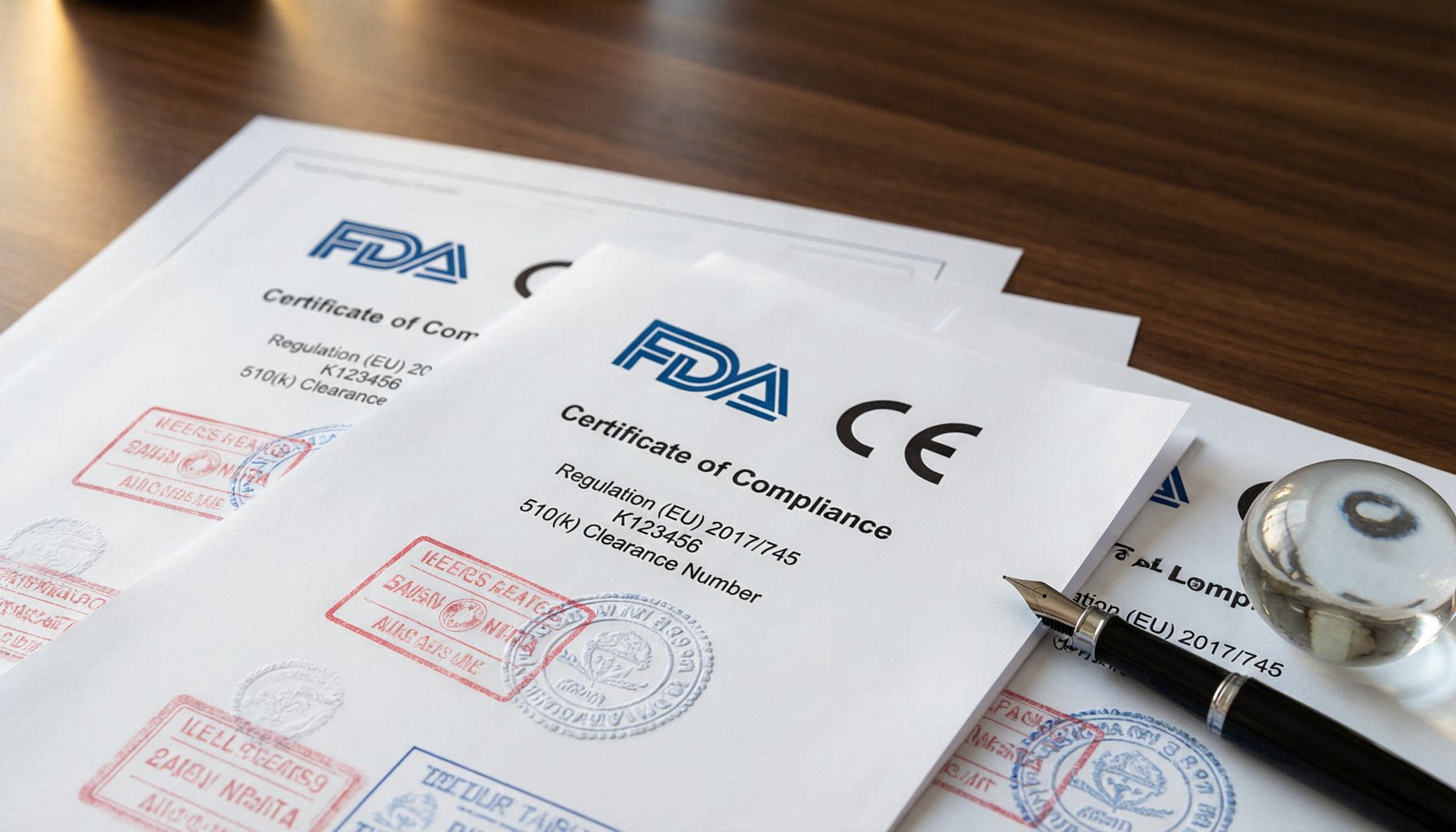
Not every product on Alibaba carries the same fraud risk. The main determinant is how heavily the US government regulates a given category. Products requiring federal certification give scammers more opportunities to forge documents, mislabel goods, or ship non-compliant items that look legitimate.
Wireless electronics, for example, require FCC authorization before legal import and sale in the United States. Children's products require third-party testing from CPSC-accepted laboratories. Dietary supplements and cosmetics must comply with FDA facility registration and ingredient regulations. Each of these categories has a specific verification workflow, and each has a different government database you need to check.
| Category-Specific Compliance Requirements for US Importers | ||||
|---|---|---|---|---|
| Product Category | US Regulatory Body | Required Certification | Verification Database | Primary Fraud Risk |
| Electronics (wireless) | FCC | Equipment Authorization | FCC ID Search | Fake FCC marks on untested devices |
| Dietary supplements | FDA | Facility Registration | FDA Establishment Registration | Unlisted or banned ingredients |
| Cosmetics | FDA | MoCRA Compliance | FDA Import Alerts | Prohibited substances like mercury |
| Toys and children's products | CPSC | CPC with Third-Party Testing | CPSC Recall Database | Lead paint and choking hazards |
| Branded goods | CBP / Trademark holders | Brand Authorization Letter | USPTO Trademark Search | Counterfeit labels and packaging |
| General consumer goods | Varies | Basic product safety | CPSC Recall Database | Quality mismatch with samples |
More regulatory overhead means more room for fraud. In electronics, a fake FCC mark can create fire hazards and legal liability. Supplements with unlisted ingredients trigger FDA import seizures. Toys with lead paint lead to CPSC recalls and potential class action lawsuits.
Low-risk categories like basic textiles, non-electronic household goods, and simple packaging materials carry fewer compliance hurdles. But even these categories require basic due diligence on supplier credentials and product quality.
Pre-Order Compliance Checklist for Regulated and Branded Goods
Once you identify the regulatory framework for your product, verify that your supplier holds the claimed certifications. This is where many buyers make their most costly mistake. They accept a PDF certificate at face value without checking the official government database behind it.
For FDA-regulated products like supplements and cosmetics, start by searching the FDA Establishment Registration Database. If the supplier claims FDA registration, the facility name and address should appear in this database. Next, check the FDA Import Alerts page to confirm the supplier has not been flagged for previous violations or placed on automatic detention.
For electronics, look up the FCC ID on the FCC Equipment Authorization Search portal. A valid FCC ID should return the device description, photos, and expiration status. If the ID returns no results or shows a different product entirely, the certificate is likely forged.
For toys and children's products, request the Children's Product Certificate and verify it references testing from a CPSC-accepted laboratory. The CPSC maintains a public list of accepted laboratories on their regulations page. Cross-check the lab name on the certificate against this list.
Whatever category you are importing, check the CPSC recall database for the product type. If the same product category has been recalled repeatedly for the same defect, that signals a design-level compliance problem you may not be able to solve with a single supplier swap.
The most important rule here is simple: never accept a certificate PDF as proof without verifying it against the issuing body's database. Legitimate suppliers welcome verification requests. Fraudulent ones hope you will skip this step.
Why Platform-Native Risk Control Beats Off-Platform Alternatives
A common piece of sourcing advice tells buyers to move conversations off Alibaba to WeChat, sign direct contracts with suppliers, or hire a lawyer in China for protection. For most small and mid-size B2B buyers, this advice is backwards. Keeping everything on-platform through Trade Assurance, Alibaba's built-in messaging system, and the IPP mechanism provides stronger legal and financial protection than off-platform alternatives.
Trade Assurance works as an escrow system. Your payment is held by Alibaba and released to the supplier only after you confirm delivery. If goods arrive non-compliant, damaged, or missing, you can open a formal dispute through the platform. The dispute process reviews your on-platform evidence, including chat logs, order specifications, and inspection reports, then issues a binding decision.
Alibaba's built-in messaging creates a timestamped evidence trail. Every message you send through the platform is logged and accessible during disputes. Move the conversation to WeChat or email, and you lose this institutional backing. The platform cannot review evidence it never saw.
The IPP mechanism allows buyers to report intellectual property violations and request takedowns of counterfeit listings. If you receive counterfeit goods, filing through the IPP system adds institutional pressure on the supplier beyond what a private legal threat can achieve for most buyers.
Off-platform contracts require international litigation to enforce, costing tens of thousands of dollars over many months. For orders under $50,000, the platform-native tools give you structural advantages that private contracts simply cannot match. The evidence trail, escrow protection, and dispute resolution system work together as an integrated risk management framework.
How Third-Party Inspection Services Complement Platform Tools
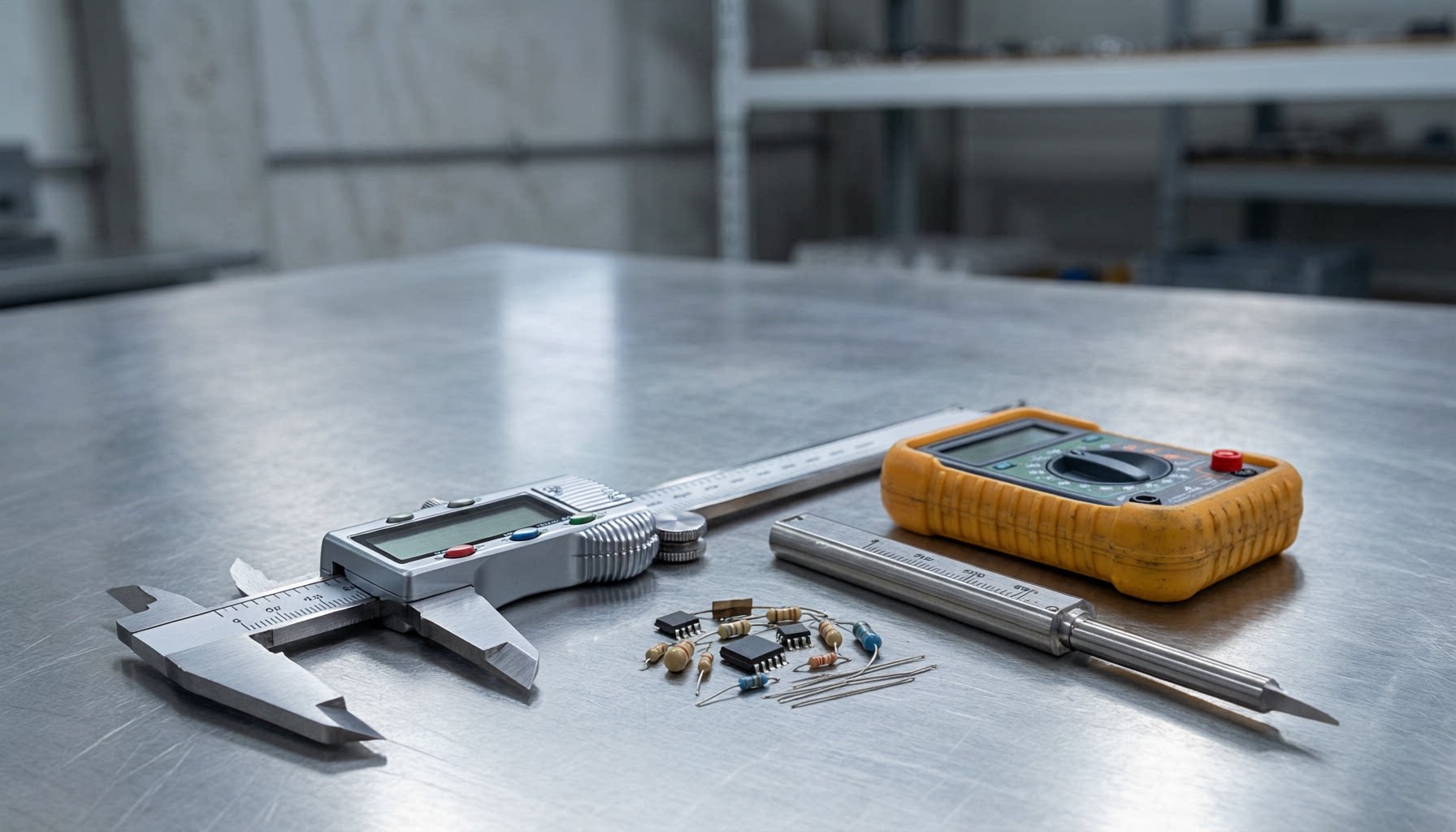
Third-party inspection services like SGS, Intertek, Bureau Veritas, and QIMA cover ground that platform tools cannot. These services send inspectors to the supplier's factory or warehouse to verify product quality, quantity, and compliance before the goods ship. Alibaba's systems handle payment security and dispute resolution, but they cannot physically examine your products.
The math works out quickly. A pre-shipment inspection typically costs around $300 per person-day. On a $5,000 order, that represents a 6 percent insurance cost. If the inspection catches a quality problem, you have objective third-party evidence to support a Trade Assurance dispute. That evidence is worth far more than the inspection fee itself.
Third-party inspections supplement platform tools rather than replace them. An inspection report showing products do not meet specifications is powerful evidence. But that evidence matters most when combined with Trade Assurance's dispute mechanism and the platform's messaging records. Without the platform infrastructure, enforcing an inspection report through a private contract requires hiring a lawyer.
| Inspection Investment vs. Order Value Comparison | |||
|---|---|---|---|
| Order Value Tier | Typical Inspection Cost | Inspection as Percentage of Order | Recommended Approach |
| Under $500 | $300 | 60 percent or more | Platform tools only unless regulated category |
| $500 to $5,000 | $300 | 6 to 60 percent | Add third-party inspection for regulated goods |
| $5,000 to $20,000 | $300 | 1.5 to 6 percent | Third-party inspection strongly recommended |
| Over $20,000 | $300 to $600 | Under 3 percent | Full compliance audit with legal review |
For orders under $500, the inspection fee may exceed the order value itself. In these cases, rely on platform verification tools and supplier transaction history. For orders between $500 and $5,000, add a third-party inspection for any regulated or high-risk product category. For orders above $5,000, a pre-shipment inspection delivers clear financial ROI regardless of category.
When selecting an inspection provider, confirm they have experience with your specific product category and the relevant US regulatory standards. An inspector who knows what to look for on an FCC label or a CPSIA compliance mark adds far more value than a generic quality check.
Cross-Language Communication to Prevent Misunderstanding-Type Fraud
A frequently overlooked fraud vector in international sourcing is the cross-language gap. When a buyer communicates product specifications to a Chinese supplier through machine translation, critical details can shift or disappear in ways that create plausible deniability.
Alibaba's built-in chat translation is adequate for casual communication and relationship building. It is not adequate for technical specifications, material requirements, or compliance standards. The phrase "304 stainless steel" might translate in a way that the supplier reads as a different grade entirely. "Food-grade silicone" might lose the specific Shore hardness rating that distinguishes it from industrial-grade material.
This is not always intentional fraud. Sometimes it is a genuine misunderstanding amplified by poor translation. But the financial impact on the buyer is the same regardless of intent. You receive products that do not meet your specifications, and the supplier points to the translated chat log as evidence that they fulfilled the order as described.
The solution is to create bilingual PDF specifications that include both English and Chinese text side by side. Attach these documents directly to your Trade Assurance order so they become part of the formal order contract. In a dispute, the platform will reference these attached documents as the authoritative specification, not the chat translation.
To prevent cross-language fraud, draft all technical specifications as bilingual documents with verified Chinese translations. Ask the supplier to confirm receipt and understanding of the bilingual spec in writing through on-platform messaging. Never rely on chat translation for material grades, compliance standards, or dimensional tolerances. If a specification is critical, have it reviewed by a professional translator who understands the technical terminology before sending it to the supplier.
US Buyer Anti-Counterfeit Handbook by Order Tier
Different order values demand different levels of due diligence. A $200 sample order carries different risk than a $50,000 production run. The following framework matches your compliance investment to your order value.
For orders under $500, use platform-native tools as your primary defense. Stick to Verified Suppliers with established transaction histories on Alibaba. Pay through Trade Assurance and never wire funds directly to a supplier's bank account. Request certificates and verify them against official databases like the FDA establishment registration or the FCC ID search. Avoid regulated product categories entirely unless the supplier has a long track record of successful transactions and positive buyer reviews.
For orders between $500 and $5,000, add third-party inspection to the platform toolkit. Create bilingual specification documents and attach them to the Trade Assurance order. Verify all compliance certificates through official government databases before production begins. For regulated categories, consider ordering from suppliers who have already passed a third-party audit documented on their Alibaba profile.
For orders above $5,000, invest in a comprehensive pre-shipment inspection that covers both product quality and packaging compliance. Register your brand and products with US Customs through the Customs recordation system if you are importing branded goods. Have an import attorney review your order terms and compliance documentation before you commit capital. Keep reserve samples from the production run for independent testing if a compliance question arises later.
At every tier, the principle remains the same: your best protection is the work you do before placing the order, not the actions you take after a problem surfaces.
The Bottom Line for Your Compliance Checklist
The OECD has documented a $467 billion global counterfeit trade. Those products flow through real supply chains into real markets, and US importers bear the legal and financial responsibility for what they bring across the border.
The suppliers who scam buyers on Alibaba are not always sophisticated criminals. Many are legitimate factories that cut corners on compliance when they think the buyer will not check. Others specialize in grey-area products that meet the letter of a specification while violating its intent. They count on buyers skipping verification steps.
Protecting your orders requires discipline, not expensive lawyers or years of sourcing experience. Keep all transactions on-platform to maintain the evidence trail and escrow protection that Trade Assurance provides. Verify every certificate against the official government database that issued it, whether that is the FDA, FCC, or CPSC. Invest in third-party inspections when the order value justifies the cost. Document all specifications in bilingual format and attach them to your Trade Assurance order as binding contract terms.
None of these steps are complicated. They require a willingness to spend thirty minutes on verification before committing thousands of dollars to an order. That thirty minutes separates a compliant shipment from one that gets seized, recalled, or rejected by your buyer.
Frequently Asked Questions
How do I confirm a supplier actually holds valid FDA or CE certificates, not just claims them?
Start by searching the FDA Establishment Registration Database for the supplier's facility name and address. For CE-marked products, ask for the Declaration of Conformity and verify it references the applicable EU directives. For FCC-certified electronics, look up the FCC ID on the FCC Equipment Authorization Search portal. Always check the government-run database instead of accepting a PDF certificate at face value.
Which product categories on Alibaba carry the highest counterfeit risk for US importers?
Electronics with wireless components, dietary supplements, cosmetics, toys and children's products, and any branded goods carry the highest counterfeit risk. According to the OECD's 2025 mapping report, electronics and accessories account for the largest share of seized counterfeit goods globally, followed by cosmetics and pharmaceuticals. The common factor is high margins combined with complex regulatory requirements that create opportunities for document forgery.
Are third-party pre-shipment inspection services worth it on small $500 to $5,000 orders?
For orders near $5,000, a $300 inspection represents roughly 6 percent of the order value and provides objective evidence for Trade Assurance disputes if quality issues arise. For orders under $500, the inspection cost may exceed the order value, making platform verification tools a more practical choice. The threshold where inspections deliver clear ROI is around $2,000 to $3,000 for non-regulated goods, and any order value for regulated products where compliance failure carries legal consequences.
Can I rely on Alibaba's built-in translation for specs that need to be legally binding?
Alibaba's chat translation works for casual communication but is not reliable for technical specifications, material grades, or compliance requirements that must hold up in a Trade Assurance dispute. Draft critical specifications as bilingual PDF documents in both English and Chinese, and attach them directly to your Trade Assurance order. The platform treats attached documents as authoritative contract terms, which gives you stronger protection than translated chat messages.
What should I do first if a shipment arrives with suspected counterfeit goods?
Document everything with photographs and preserve all packaging materials. Do not resell or distribute the products if you suspect they violate safety standards. File a complaint through Alibaba's IPP platform and open a Trade Assurance dispute with your documentation. If the products pose a safety risk, report the issue to the relevant US agency such as the CPSC for consumer goods or the FDA for supplements and cosmetics. Contact US Customs if you suspect the goods may have been imported under false documentation.
Start your borderless business here
Tell us about your business and stay connected.


Related Reading
Keep up with the latest from Alibaba.com?
Subscribe to us, get free e-commerce tips, inspiration, and resources delivered directly to your inbox.


