

Best Freight Forwarders, Customs Brokers & Insurance for Alibaba Shipments to the US

Table of Contents
- Key Takeaways
- Shipping Methods Compared: Ocean Freight vs Air Freight vs Express vs DDP
- Freight Forwarder vs Customs Broker vs NVOCC: Roles, Responsibilities & Fees
- Cargo Insurance Decoded: All Risks vs Named Perils, 110% CIF Valuation & Deductibles
- Customs Clearance Pitfalls: Incoterms, HTS Classification, ISF Filing & De Minimis Rules
- Sample Shipping & Consolidation Services
- One-Stop vs Multi-Vendor: How Alibaba Freight + Trade Assurance Covers the Full Chain
- The Bottom Line for Your First Alibaba Shipment
- Frequently Asked Questions
Key Takeaways
- Ocean freight remains the cheapest option per kilogram for bulk Alibaba orders, but transit times stretch from 15 to 40 days depending on the route.
- ISF 10+2 filing violations carry a $5,000 penalty per shipment, so timely compliance is non-negotiable.
- Cargo insurance is typically valued at 110% of CIF, with a standard $1,000 deductible and annual premiums starting around $750 for open policies.
- The $800 de minimis exemption has been suspended since August 29, 2025, meaning even low-value Alibaba orders now require formal entry and duty payment.
- Alibaba Trade Assurance covers product quality and payment disputes, but its shipping coverage ends at the origin port under FOB terms.
Shipping Methods Compared: Ocean Freight vs Air Freight vs Express vs DDP
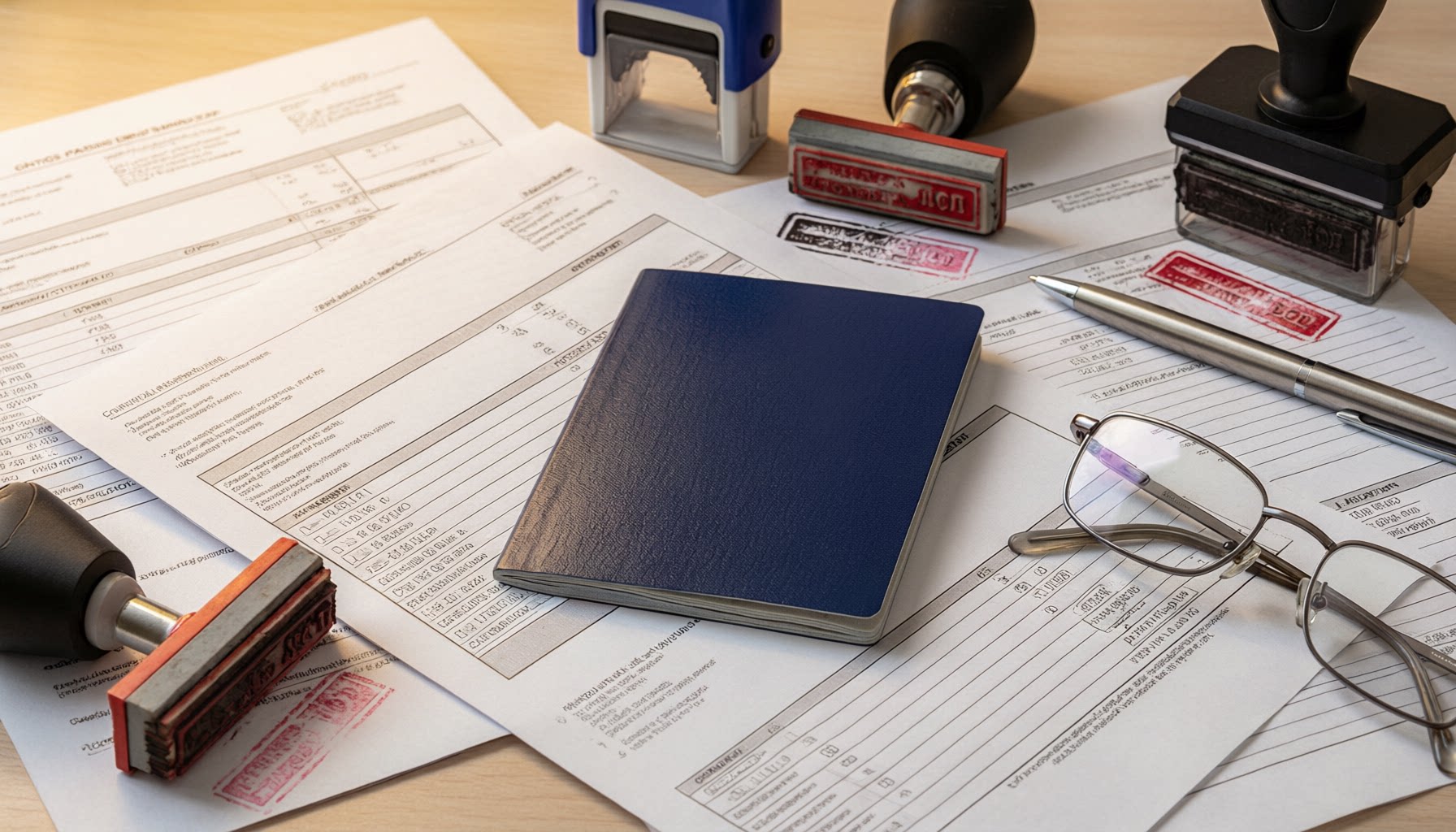
Choosing the right shipping method depends on your order size, product value, and timeline. Each option balances transit speed against cost differently.
Ocean freight is the most economical option for large orders. Full container loads (FCL) from Shenzhen to Los Angeles typically cost between $2,000 and $4,500 for a 20-foot container. Transit times range from 15 to 35 days depending on origin and destination ports. Less-than-container-load (LCL) shipments suit smaller orders but add consolidation time at both ends.
Air freight cuts transit to 3 to 7 days but costs three to five times more per kilogram than ocean freight. It makes sense for high-value electronics or time-sensitive seasonal goods where inventory carrying costs offset the higher freight rate.
Express couriers such as DHL, UPS, and FedEx handle door-to-door delivery with built-in tracking. They work well for samples or orders under 150 kg, and all-in pricing removes surprise fees at the destination.
DDP (Delivered Duty Paid) shifts all logistics responsibilities to the seller. The price you see includes freight, duties, and last-mile delivery. This simplifies budgeting but reduces your visibility into actual shipping costs and customs handling. Sellers may also build a margin into the freight component, making DDP more expensive than managing logistics independently.
| Shipping Method Comparison for Alibaba Orders to the US | ||||
|---|---|---|---|---|
| Method | Transit Time | Cost per kg | Best For | Risk Level |
| Ocean FCL | 15-35 days | $0.30-$0.80 | Bulk orders over 10 CBM | Low |
| Ocean LCL | 20-45 days | $0.50-$1.20 | Orders 1-10 CBM | Moderate |
| Air Freight | 3-7 days | $3.00-$8.00 | High-value or urgent goods | Low |
| Express Courier | 3-5 days | $5.00-$12.00 | Samples and orders under 150 kg | Low |
| DDP (Seller-managed) | Varies | Built into unit price | First-time buyers, small test orders | Moderate |
DDP through Alibaba works well for first-time importers because it removes most of the logistical complexity. As order volumes grow, a dedicated freight forwarder gives you better cost control and direct oversight of the supply chain.
Freight Forwarder vs Customs Broker vs NVOCC: Roles, Responsibilities & Fees
Importing from Alibaba involves multiple logistics partners. The main service providers are freight forwarders, customs brokers, and NVOCCs, and each handles a different part of the process.
A freight forwarder is your logistics coordinator. They book cargo space, prepare bills of lading, and arrange inland transportation. Forwarders typically charge $75 to $250 per shipment for documentation.
A customs broker focuses specifically on clearing your goods through U.S. Customs and Border Protection. They classify products under the Harmonized Tariff Schedule, calculate duties, file required documents, and pay taxes on your behalf. Broker fees range from $100 to $300 per entry. For shipments valued over $2,500, a licensed customs broker is practically required since the paperwork and compliance requirements are complex.
An NVOCC (Non-Vessel Operating Common Carrier) issues its own bills of lading and consolidates shipments from multiple importers into full containers. This can reduce per-unit freight costs by 15% to 30% for LCL shippers. NVOCCs are regulated by the Federal Maritime Commission and must publish tariff rates.
| Logistics Partner Roles and Fees Compared | ||||
|---|---|---|---|---|
| Provider Type | Primary Role | Typical Fee | When to Use | Regulated By |
| Freight Forwarder | End-to-end logistics coordination | $75-$250 per shipment | Most import scenarios | FMC (ocean), IATA (air) |
| Customs Broker | Customs clearance and duty payment | $100-$300 per entry | Required for formal entry | CBP Licensed |
| NVOCC | Container consolidation and own B/L | Market freight rates | LCL shippers seeking lower rates | FMC |
Many freight forwarders also hold customs broker licenses. For most Alibaba importers, working with a single partner who handles both transportation and clearance is the most efficient option.
Cargo Insurance Decoded: All Risks vs Named Perils, 110% CIF Valuation & Deductibles
Cargo insurance protects your investment against loss or damage during transit.
The standard valuation method for marine cargo insurance is 110% of CIF (Cost + Insurance + Freight). This means if your goods cost $5,000 and ocean freight adds $1,000, the insured value would be $6,600. The extra 10% covers expected profit margin and incidental handling costs at the destination.
The most common deductible benchmark is $1,000 per claim. This means you absorb the first $1,000 of any covered loss. For smaller shipments, this deductible may exceed the claim value, making insurance less cost-effective on a per-order basis.
Two main policy types determine what risks are covered:
| All Risks vs Named Perils Coverage Comparison | |||
|---|---|---|---|
| Feature | All Risks (Institute Cargo Clauses A) | Named Perils (Institute Cargo Clauses C) | Practical Impact |
| Coverage Scope | Everything except policy exclusions | Only listed events (fire, collision, capsizing) | All Risks covers far more scenarios |
| Typical Premium Rate | 0.3%-0.8% of insured value | 0.1%-0.3% of insured value | All Risks costs 2-3x more |
| Best For | High-value, fragile, or perishable goods | Durable, low-value bulk commodities | Match the policy to your product risk |
| Claim Burden | Insurer must prove exclusion applies | You must prove the cause is a listed peril | All Risks shifts the burden to the insurer |
For Alibaba shipments, All Risks coverage is recommended for electronics, ceramics, glass products, and any goods with damage susceptibility. Named Perils may suffice for durable goods like metal hardware or plastic components.
Annual open cargo policies start at approximately $750 in minimum premium and cover all shipments within a 12-month period. For occasional importers, per-shipment policies may be more economical, with premiums starting around $50 per shipment through platforms like Freightos.
Standard policies exclude wilful misconduct, inherent vice, delays, and carrier insolvency. War and strikes coverage typically requires a separate endorsement. Read the exclusion list before binding coverage.
Customs Clearance Pitfalls: Incoterms, HTS Classification, ISF Filing & De Minimis Rules
Customs clearance is where errors carry steep penalties. A wrong tariff code or a missed ISF filing can trigger fines that far exceed your freight cost.
The Importer Security Filing (ISF), also called 10+2, must be submitted at least 24 hours before cargo is loaded onto a vessel bound for the United States. ISF violations carry a $5,000 penalty per shipment. This filing is the buyer's responsibility under most Incoterms, even when the seller arranges ocean freight. Late or inaccurate filings are the most common penalty trigger for first-time importers.
HTS (Harmonized Tariff Schedule) classification determines your duty rate. Every product imported into the US needs a correct HTS code, available through the USITC HTS database. Misclassification can result in overpayment of duties or, worse, penalties for undervaluation. If you are unsure of the correct code, a licensed customs broker can classify your products on your behalf.
The de minimis exemption, which previously allowed packages valued under $800 to enter the US duty-free under Section 321, has undergone a major change. The de minimis exemption suspension took effect for merchandise arriving through all modes of transport starting August 29, 2025. This means even small-value Alibaba orders now require formal entry and duty payment. Plan your landed cost calculations accordingly.
Incoterms 2020, published by the International Chamber of Commerce, define where risk transfers from seller to buyer. Under FOB (Free on Board), risk passes when goods are loaded on the vessel at the origin port. Under CIF (Cost, Insurance, and Freight), the seller must arrange insurance but risk still transfers at the origin port. Under DDP, the seller bears all risk and cost until delivery at your door. Choosing the wrong Incoterm can leave you liable for damage you assumed was the seller's problem.
Before each Alibaba shipment, confirm these compliance items:
- Confirm HTS code for every product in the shipment before goods depart the origin country.
- File ISF 10+2 at least 24 hours before vessel loading. Double-check all data fields for accuracy.
- Verify Incoterm matches your insurance coverage. Under FOB, you need separate cargo insurance from the origin port onward.
- Account for duty payment on all shipments regardless of value, since the de minimis exemption is suspended.
- Keep commercial invoices, packing lists, and bills of lading organized and accessible for CBP review.
Sample Shipping & Consolidation Services
Before committing to a full container order, most Alibaba buyers start with sample shipments, which require a different logistics approach than bulk freight.
For sample orders under 50 kg, express couriers like DHL, UPS, or FedEx offer the fastest and most reliable option. Transit times are typically 3 to 5 business days from major Chinese cities to US metropolitan areas. Door-to-door tracking is included, and the courier handles customs clearance on your behalf. Note that with the de minimis exemption suspended, duties apply regardless of the sample value.
Air freight makes sense for sample orders valued between $500 and $5,000, especially when you need delivery within a week. Many freight forwarders offer consolidated air freight services, combining your shipment with other importers' cargo to reduce per-kilogram costs. This is particularly useful for heavier samples like furniture or machinery parts.
Consolidation services, also called groupage, let multiple importers share a single container. A freight forwarder collects LCL shipments from various suppliers, consolidates them at an origin warehouse, and ships them together. This approach reduces per-unit freight costs significantly compared to booking separate LCL shipments.
Some consolidation providers also offer inspection and repacking services at the origin warehouse. This lets you verify product quality before goods are loaded, reducing the risk of receiving defective samples at your door. Ask your freight forwarder about origin warehouse capabilities when setting up sample shipments.
One-Stop vs Multi-Vendor: How Alibaba Freight + Trade Assurance Covers the Full Chain
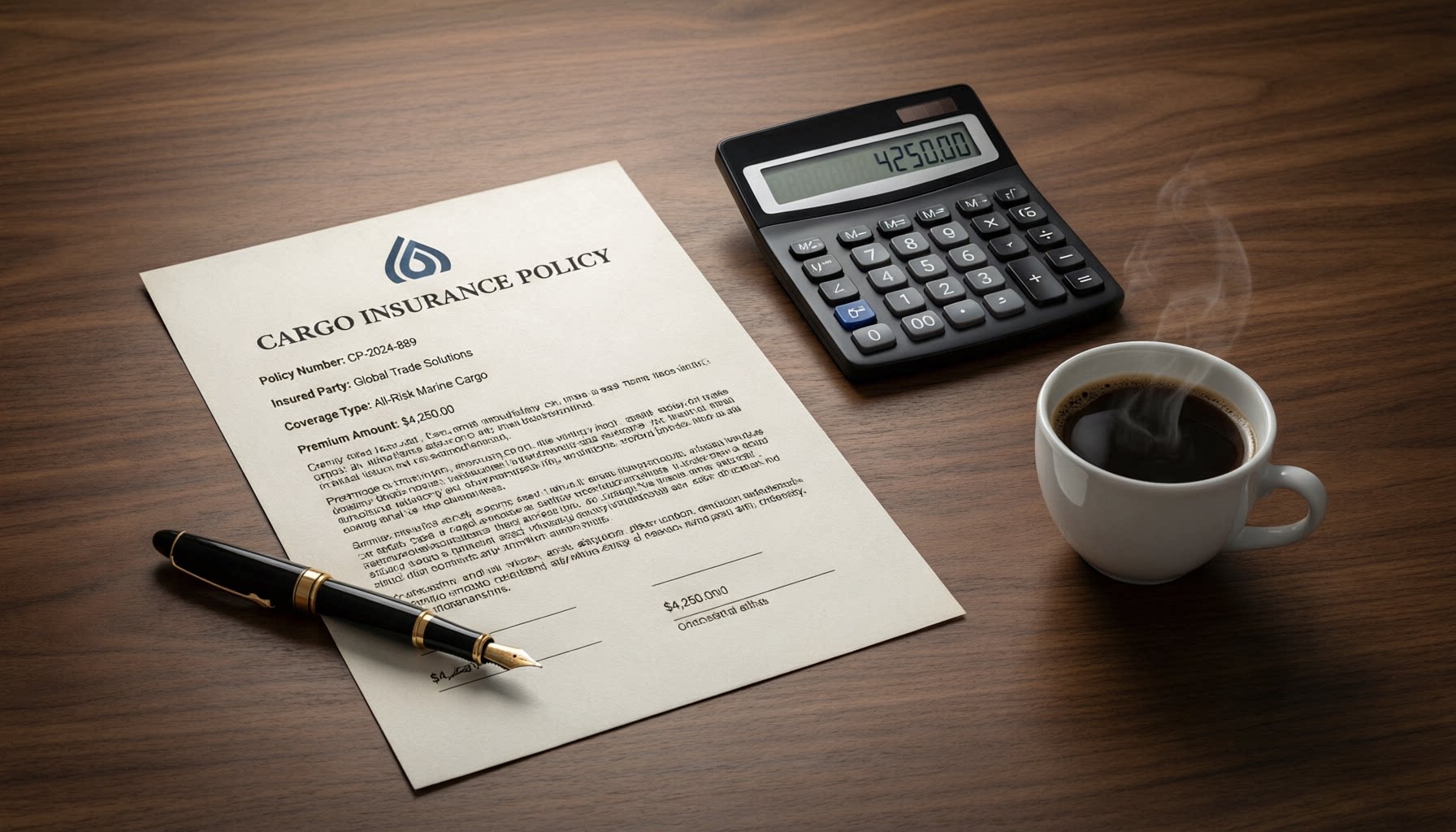
Alibaba offers built-in logistics tools through Alibaba Freight, and Trade Assurance provides a layer of buyer protection. But how far does this coverage extend, and where is third-party support necessary?
Alibaba Freight connects buyers with vetted shipping providers directly on the platform. You can compare quotes for ocean freight, air freight, and express delivery from multiple carriers. Orders placed through Alibaba Freight are tracked within the platform, and Trade Assurance covers the full transaction from payment to delivery confirmation.
Trade Assurance protects buyers against two main risks: product quality issues and supplier non-delivery. If goods arrive and do not match the agreed specifications, you can file a claim for a partial or full refund. If the supplier fails to ship on time, Trade Assurance covers the payment amount. Trade Assurance claims are typically resolved within 15 business days.
Trade Assurance has clear limits, though. Under FOB terms, coverage ends once goods pass the ship's rail at the origin port. Ocean transit damage is not covered by Trade Assurance under FOB. Under CIF terms, the seller's insurance covers transit, but the coverage level depends on the seller's policy, which may have low limits or narrow exclusions. Under DDP, the seller manages all logistics and insurance, but you have less visibility into the actual coverage.
| Alibaba Trade Assurance vs Third-Party Insurance Coverage | ||||
|---|---|---|---|---|
| Aspect | Trade Assurance | Third-Party Cargo Insurance | Gap to Watch | Recommendation |
| Product Quality | Covered | Not covered | Insurance does not replace quality checks | Use both for full protection |
| Transit Damage (FOB) | Not covered after origin port | Fully covered | Major gap under FOB terms | Add third-party insurance for FOB |
| Transit Damage (CIF) | Seller's insurance applies | Additional coverage available | Seller's policy may have low limits | Review seller's policy terms first |
| Supplier Non-Delivery | Covered | Not covered | Insurance covers transit, not supplier risk | Trade Assurance handles this |
| Claim Resolution | ~15 business days | 30-90 days typical | Speed differs significantly | Factor timing into cash flow planning |
Most importers do best combining both layers. Use Trade Assurance for supplier verification, payment protection, and quality dispute resolution. Add third-party marine cargo insurance for transit coverage, particularly under FOB terms.
If you ship frequently, an annual open cargo policy provides the best value. It covers every shipment within a 12-month period without requiring separate policies per order. For occasional shipments, per-shipment policies through platforms like Freightos offer flexible coverage at lower upfront cost.
The Bottom Line for Your First Alibaba Shipment
Importing from Alibaba safely comes down to choosing the right shipping method, meeting customs requirements, and insuring against transit risk. Each of these has cost implications, and mistakes cost far more than doing things right the first time.
First, match your shipping method to your order size and timeline. Ocean freight wins on cost for bulk orders. Air freight and express couriers serve smaller or more urgent shipments. DDP simplifies the process for first-time buyers but limits your cost visibility.
For customs documentation, accuracy matters. File your ISF on time, classify products under the correct HTS code, and remember that the de minimis exemption is no longer in effect. A licensed customs broker handles all of this for you and is worth the fee for any shipment above a few hundred dollars.
Do not assume that Alibaba Trade Assurance covers everything. It protects your payment and product quality, but transit risk under FOB terms is your responsibility. Add third-party cargo insurance to cover that exposure, and choose All Risks coverage for anything fragile or high-value.
Get your HTS code right before the goods leave the factory. File ISF at least 24 hours before vessel loading. Account for duties on every order since de minimis is suspended. And compare Trade Assurance against third-party insurance to confirm your coverage has no gaps.
Frequently Asked Questions
What is the safest way to ship a small Alibaba order to the US?
For orders under 150 kg, express couriers like DHL, UPS, or FedEx offer the safest option. They provide door-to-door tracking, handle customs clearance on your behalf, and have well-established loss-prevention processes. Air freight is a solid middle ground for orders between 100 and 500 kg when you need faster delivery than ocean freight allows. For any shipment, adding third-party cargo insurance gives you financial protection against loss or damage regardless of the carrier you choose.
How much does cargo insurance cost for an Alibaba shipment, and what does it actually cover?
Cargo insurance is typically valued at 110% of CIF (Cost + Insurance + Freight). For a $6,000 shipment including freight, the insured value would be $6,600. Premiums for All Risks coverage range from 0.3% to 0.8% of insured value, which works out to roughly $20 to $53 for that shipment. The standard deductible is $1,000 per claim. Annual open policies start at around $750 in minimum premium. All Risks covers physical damage from nearly all causes except specific exclusions like wilful misconduct or inherent vice. Named Perils policies cost less but only cover listed events such as fire, collision, or capsizing.
Do I need a customs broker to import Alibaba goods into the United States?
Legally, you do not need a licensed customs broker for informal entries, which cover shipments valued under $2,500 for personal use. For commercial imports above that threshold, using a licensed broker is practically necessary. A broker handles HTS classification, duty calculation, ISF filing, and document preparation. Broker fees typically range from $100 to $300 per entry. Given that ISF violations carry a $5,000 penalty, the broker fee is a small price for compliance assurance. Many freight forwarders also hold broker licenses, so you can bundle both services with one provider.
Does the $800 de minimis exemption still apply to Alibaba orders in 2026?
No. The Section 321 de minimis exemption was suspended indefinitely starting August 29, 2025, for merchandise arriving through all modes of transport. Previously, packages valued under $800 could enter the US duty-free under Section 321. Now, all Alibaba orders, regardless of value, require formal entry and duty payment. This change affects both express courier shipments and ocean freight alike. Update your landed cost calculations to include duties on every order, no matter how small the value.
Is shipping through Alibaba Freight covered by Trade Assurance if goods are lost or damaged?
Trade Assurance coverage depends on the Incoterm agreed with your supplier. Under DDP or CIF terms, Trade Assurance covers the full journey including transit. Under FOB terms, coverage ends once goods pass the ship's rail at the origin port, leaving ocean transit uninsured by Alibaba. For FCA and EXW terms, coverage is even more limited since risk transfers earlier in the supply chain. If you want full transit protection under FOB, add third-party marine cargo insurance. Trade Assurance covers supplier-related risks like quality defects and non-delivery, but it is not a substitute for dedicated cargo insurance during the ocean or air transit leg.
Start your borderless business here
Tell us about your business and stay connected.

Related Reading

Keep up with the latest from Alibaba.com?
Subscribe to us, get free e-commerce tips, inspiration, and resources delivered directly to your inbox.


